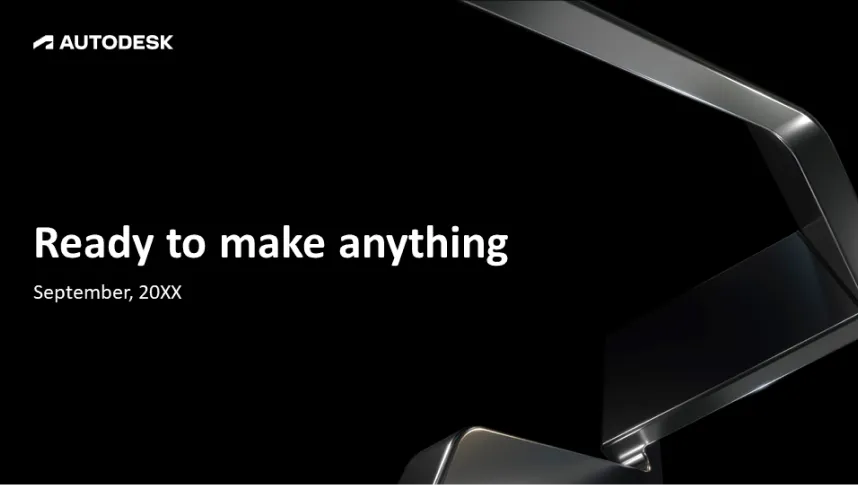
A 5 slide pitch deck is a highly condensed presentation format designed to communicate the most critical aspects of a business idea, project, or proposal in just five focused slides. Unlike sprawling 20-slide decks that often lose audience attention, this format forces presenters to ruthlessly prioritize their message, keeping only what is truly essential. It is most commonly used in situations where time is limited — such as investor speed rounds, internal executive briefings, or early-stage startup introductions — and it demands a level of clarity and preparation that longer decks often mask. When executed well, it signals confidence and sharp thinking to any audience.
The five slides typically follow a proven narrative arc that mirrors how decision-makers actually process new information. Slide one establishes the problem or opportunity, giving the audience a concrete reason to care. Slide two presents the solution or core idea, directly addressing the pain point just introduced. Slide three covers the business model or execution plan, answering the question of how value is created or delivered. Slide four addresses traction, evidence, or team credibility — showing why this specific group of people can make it work. Slide five closes with the ask or call to action, whether that is funding, a partnership, a decision, or simply a follow-up meeting. This structure mirrors classic storytelling and keeps the audience engaged from start to finish without overwhelming them with data.
One of the most common mistakes presenters make with a 5 slide deck is trying to cram the content of a 20-slide deck into five slides by shrinking fonts and adding dense bullet points. This defeats the purpose entirely. Each slide should contain one dominant idea, communicated in a headline of no more than 12 words, supported by a single chart, image, or three short bullet points at most. For example, in an investor context, a traction slide might show only one metric — say, month-over-month revenue growth of 40% over six consecutive months — rather than a table with 15 rows of data. The goal is memorability, not comprehensiveness. Audiences retain single, striking data points far better than spreadsheets.
- Use slide one to state a specific, relatable problem with a concrete statistic — for example, noting that 60% of small businesses fail within three years due to poor cash flow management grounds the audience immediately.
- Frame your solution on slide two as a direct response to the problem, using plain language rather than industry jargon so that even non-expert stakeholders can follow your logic clearly.
- On the business model slide, specify the revenue mechanism precisely — subscription-based at $49 per month, one-time licensing fee, or transaction percentage — rather than vague terms like ‘monetization strategy.’
- Reserve the traction slide for your single strongest piece of evidence, such as a signed letter of intent from a major client or a user growth rate that benchmarks favorably against industry averages.
- Design each slide with the ‘squint test’ in mind: if you squint and blur your vision, the most important element on the slide should still be visually dominant and immediately identifiable.
- Practice delivering each slide in under 90 seconds so that the entire deck can be presented in roughly seven minutes, leaving meaningful time for questions and genuine dialogue.
- Export a PDF version that stands alone without narration, ensuring that every slide communicates its core point even when read silently by a busy investor or executive who was not present at the live presentation.
The 5 slide pitch deck is most powerful when your audience is time-constrained and already familiar with the general space you are working in — it works brilliantly for second-meeting investor conversations, board updates, and competitive pitch events. However, if your audience is completely unfamiliar with your industry, or if regulatory and technical complexity genuinely require detailed explanation, a longer format may be more appropriate. As a practical next step, draft your five slides using only headlines and one visual each, then share the deck without speaking to a trusted colleague — if they can explain your idea back to you accurately after reading it silently, your deck is ready.
Need a presentation that wins the room? SlideGenius designs custom, high-impact decks for brands like Red Bull, Amazon, and Adidas. Browse our presentation design portfolio, explore our PowerPoint design services, or contact us for a free quote.