A successful Salesforce pitch deck needs to go well beyond a simple product overview — it must weave together a compelling business narrative, quantified value metrics, and a clear path to implementation that resonates with both technical stakeholders and executive decision-makers. The most effective decks combine a diagnosed business problem with a mapped solution, supported by ROI evidence tailored to the prospect’s industry vertical. When all core elements are aligned, the deck functions less like a brochure and more like a strategic proposal that practically closes itself by the final slide.
The opening problem statement is perhaps the single most important slide in any Salesforce pitch deck. Sales teams commonly make the mistake of leading with product features rather than business pain. Instead, your deck should open by mirroring the prospect’s specific operational challenge — for example, a B2B company losing 30% of pipeline visibility due to disconnected spreadsheets and legacy CRM data silos. This sets the stage for every subsequent slide to feel like a direct remedy rather than a generic vendor pitch. Personalizing this pain to the buyer’s industry — say, financial services versus manufacturing — dramatically increases perceived relevance and engagement from the very first slide.
Once pain is established, the deck must flow logically into a solution architecture overview that shows how the platform specifically addresses those gaps. This is where a simplified process-flow diagram proving data unification, automated workflows, and real-time reporting dashboards earns its place. Avoid feature-dumping; instead, connect each capability back to a named business outcome. For instance, demonstrating how Sales Cloud’s opportunity scoring reduces average deal cycle time by 18% for mid-market SaaS companies carries far more weight than listing feature checkboxes. A common pitfall here is including too many modules before the prospect has agreed on a core pain — always anchor to a focused use case first before expanding scope.
- Include a clearly labeled ‘Current State vs. Future State’ slide that visually maps the prospect’s existing workflow inefficiencies against a reimagined process powered by the platform, ideally using data from the discovery call.
- Embed a quantified ROI slide featuring realistic improvement benchmarks — such as a 22% reduction in manual data entry hours or a 15% increase in quota attainment — sourced from comparable industry case studies.
- Add a competitor positioning slide that honestly addresses alternatives the prospect is likely evaluating, framing your differentiators around total cost of ownership and long-term scalability rather than feature count alone.
- Incorporate a customer success story slide featuring a named client in the same vertical, with before-and-after metrics like ‘reduced onboarding time from 6 weeks to 2 weeks using automated workflows’ to build credibility without overselling.
- Present a phased implementation roadmap broken into 30-60-90 day milestones that makes adoption feel achievable and reduces buyer anxiety around disruption to daily operations.
- Include a clear pricing architecture slide that outlines tier options and justifies each investment level with corresponding business value, preventing sticker shock from derailing the final conversation.
- Close with a ‘Next Steps’ slide containing a specific proposed date for a technical discovery call or pilot agreement, removing ambiguity about how the buying process moves forward.
Building a pitch deck is an iterative process — the most successful sales teams treat each version as a living document refined after every deal cycle. Start by auditing your current deck against the elements listed above, identifying which slides lack quantified outcomes or industry-specific framing. If you are presenting to enterprise accounts, consider building separate deck variants for the economic buyer and the technical evaluator, since their priorities diverge significantly. Note that this framework is less applicable for very early-stage inbound leads who have not yet been fully qualified, where a lighter discovery conversation typically outperforms a formal deck.
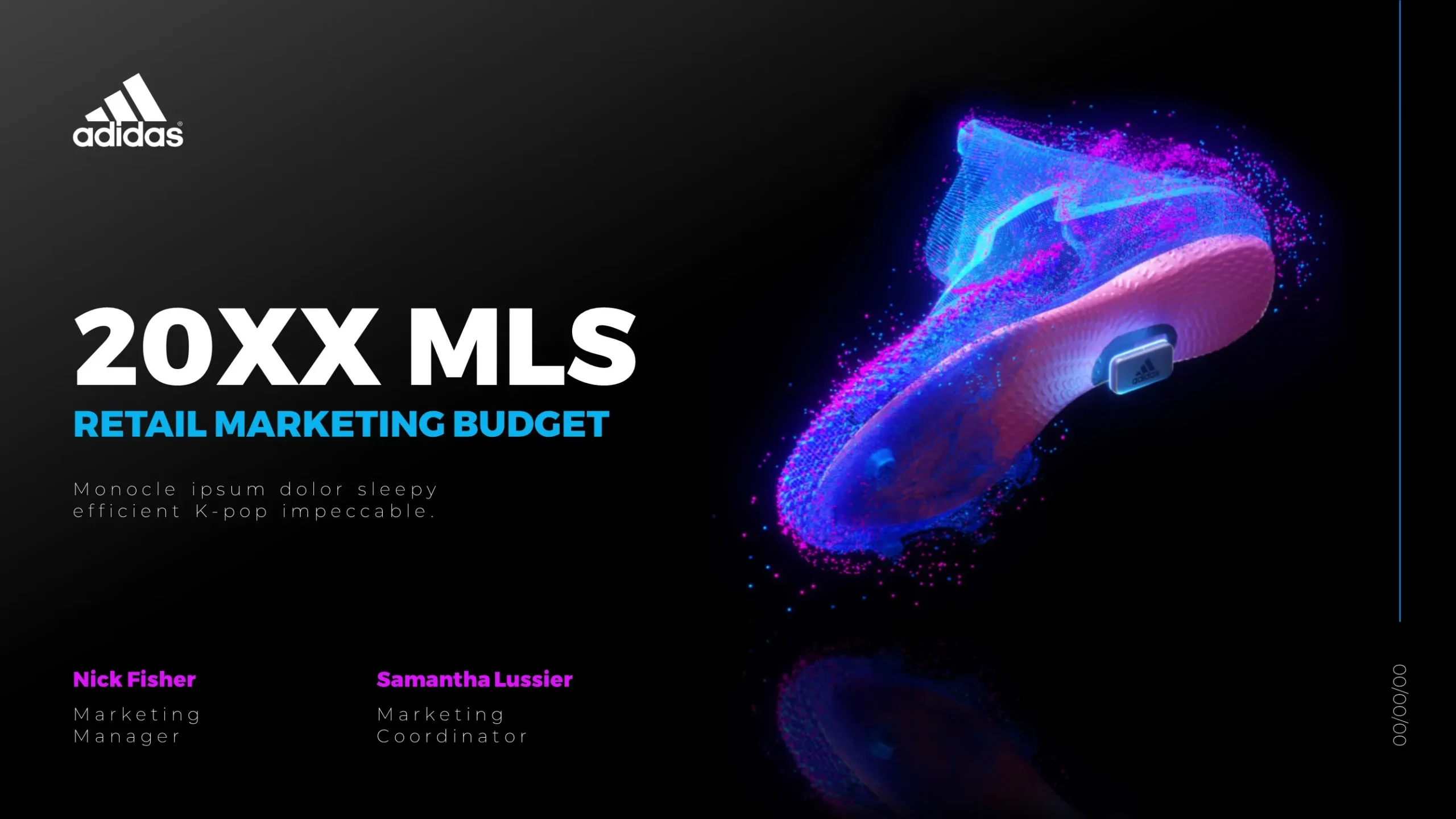
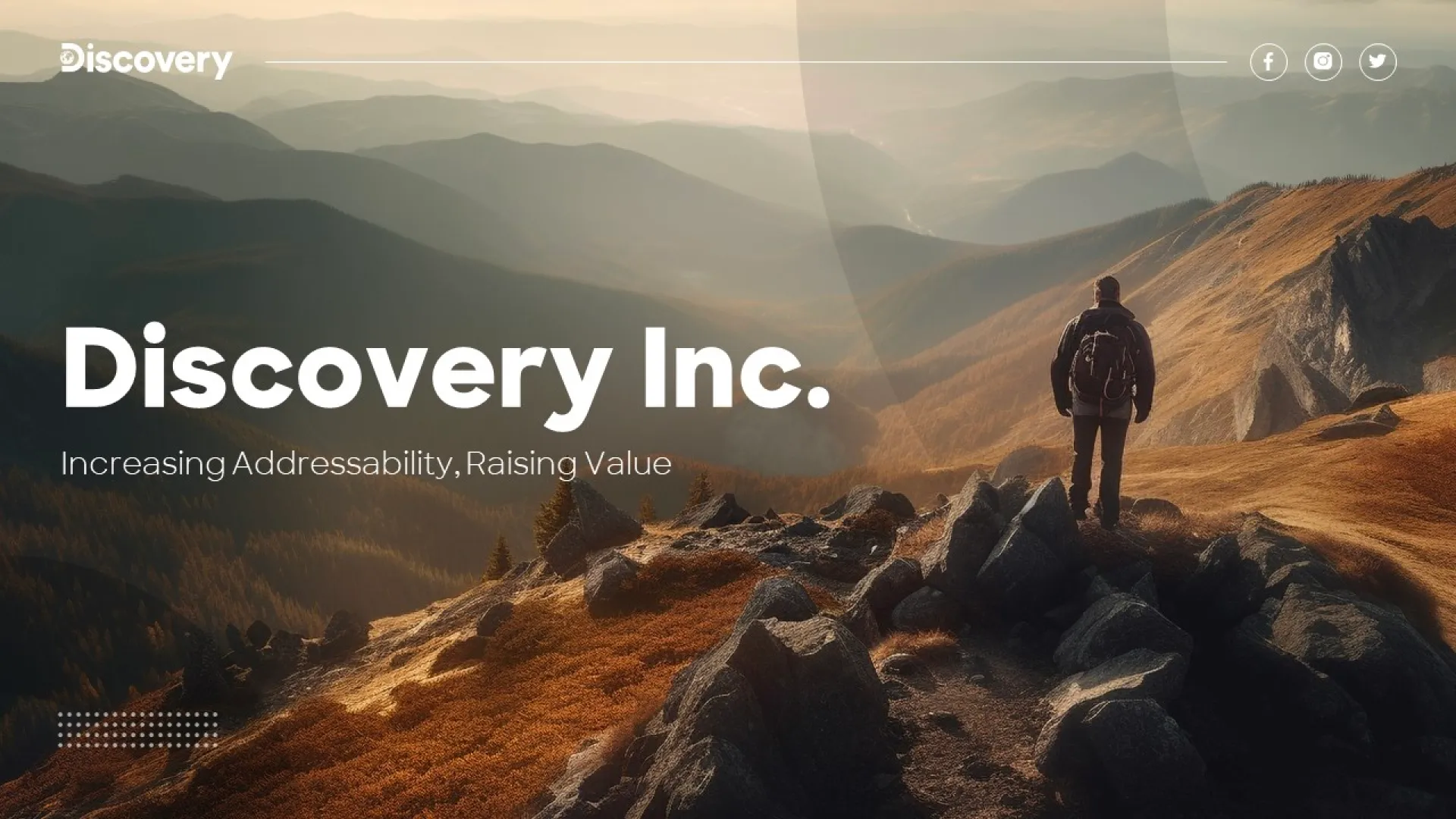
Need a presentation that wins the room? SlideGenius designs custom, high-impact decks for brands like Red Bull, Amazon, and Adidas. Browse our presentation design portfolio, explore our PowerPoint design services, or contact us for a free quote.