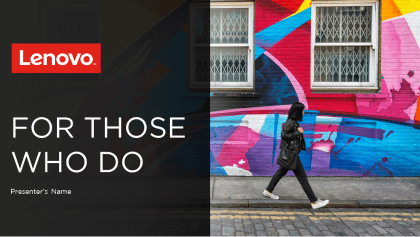
You can fade a background image in PowerPoint by inserting the image directly onto a slide as a picture object rather than setting it as a true background, then adjusting its transparency using the Format Picture pane. In PowerPoint 365 and PowerPoint 2019, select the image, open the Format Picture panel on the right, navigate to Picture then Picture Transparency, and drag the slider anywhere from 30% to 70% depending on how much text or content will sit on top of it. This approach preserves full image quality while giving you precise, reversible control over how visible the image appears behind your slide content.
Understanding why a faded background image improves presentation design helps you make smarter choices. When an image is too vivid or saturated behind text, it creates visual competition — your audience’s eye is pulled toward the photo rather than your message. A fade or transparency effect reduces that competition without removing the visual context the image provides. This technique is especially valuable for title slides, quote slides, and section dividers where a single strong image sets a mood but must not overwhelm the words layered on top. Common mistakes include fading too little (leaving the image too distracting) or too much (making it invisible and pointless), so aim for a transparency level where the image is clearly felt but not loudly seen.
There is an important distinction between using PowerPoint’s built-in Format Background dialog and inserting a picture object manually. When you apply an image through Format Background and choose ‘Fill’ then ‘Picture or Texture Fill,’ PowerPoint does offer a transparency slider in that same panel — this is the fastest route for true background images. However, this method applies the fade universally to that slide’s background layer, which means you cannot animate or individually reposition the image without extra steps. The manual picture-object method gives you more design flexibility, lets you stack multiple faded images, and allows you to apply fade effects on a per-shape basis. Both approaches work in PowerPoint for Mac and Windows versions released after 2016.
- Insert your chosen image onto the slide, resize it to cover the entire slide area (13.33 × 7.5 inches is standard widescreen), and use ‘Send to Back’ so all other content stays on top of it.
- With the image selected, go to the Picture Format tab on the ribbon, click ‘Transparency,’ and choose one of the preset values like 50% or 65% for a soft, text-friendly fade effect.
- For more precise control, open the Format Picture pane using right-click, navigate to the Picture icon, expand ‘Picture Transparency,’ and manually type a specific percentage value such as 45% for subtle texture effects.
- Add a semi-transparent white or black rectangle on top of the faded image to further soften it and ensure maximum text legibility, which is especially useful for slides with small body copy text.
- Use PowerPoint’s Color option under Picture Format to desaturate the image entirely before applying transparency — combining grayscale with 40% fade creates a very clean, editorial background aesthetic.
- If working with a dark image behind white text, set image transparency to around 55–60% and add a dark overlay shape set to 20–30% opacity for layered depth without muddying the overall tone.
- Group the faded background image with any overlay rectangle shapes, then lock the group using Selection Pane so you can freely edit foreground text without accidentally moving background elements.
The most practical next step is to test your faded background on a projected screen or in Slide Show mode, since monitor brightness makes transparency levels appear different in editing view versus actual presentation conditions — what looks like a perfectly subtle 50% fade on your laptop may appear almost invisible on a bright projector. This technique works best on slides with large, high-resolution source images; low-resolution photos become blurry and pixelated when stretched to full-slide size and faded, which draws negative attention rather than creating polish. For those situations, consider using a solid color background instead.
Need a presentation that wins the room? SlideGenius designs custom, high-impact decks for brands like Red Bull, Amazon, and Adidas. Browse our presentation design portfolio, explore our PowerPoint design services, or contact us for a free quote.